Contact Rescue Bee Ranch
Whether you need live bee removal, want to schedule an educational event, support the mission, or simply have questions, we’d love to hear from you.
Email
RescueBeeRanch@gmail.com
Phone
(817) 209-9851
How Can We Help?
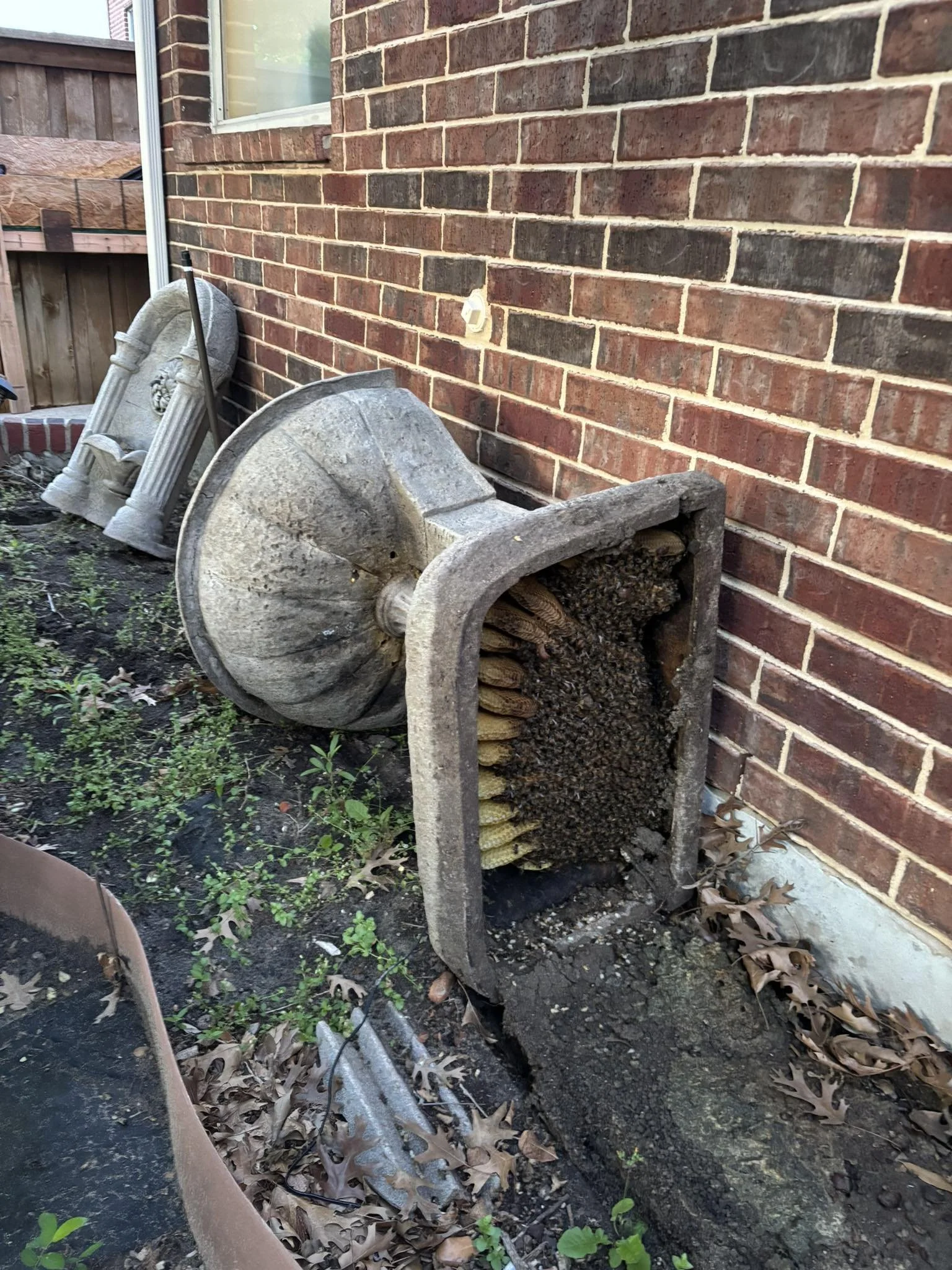
Bee Removal
Need help with a swarm or hive?
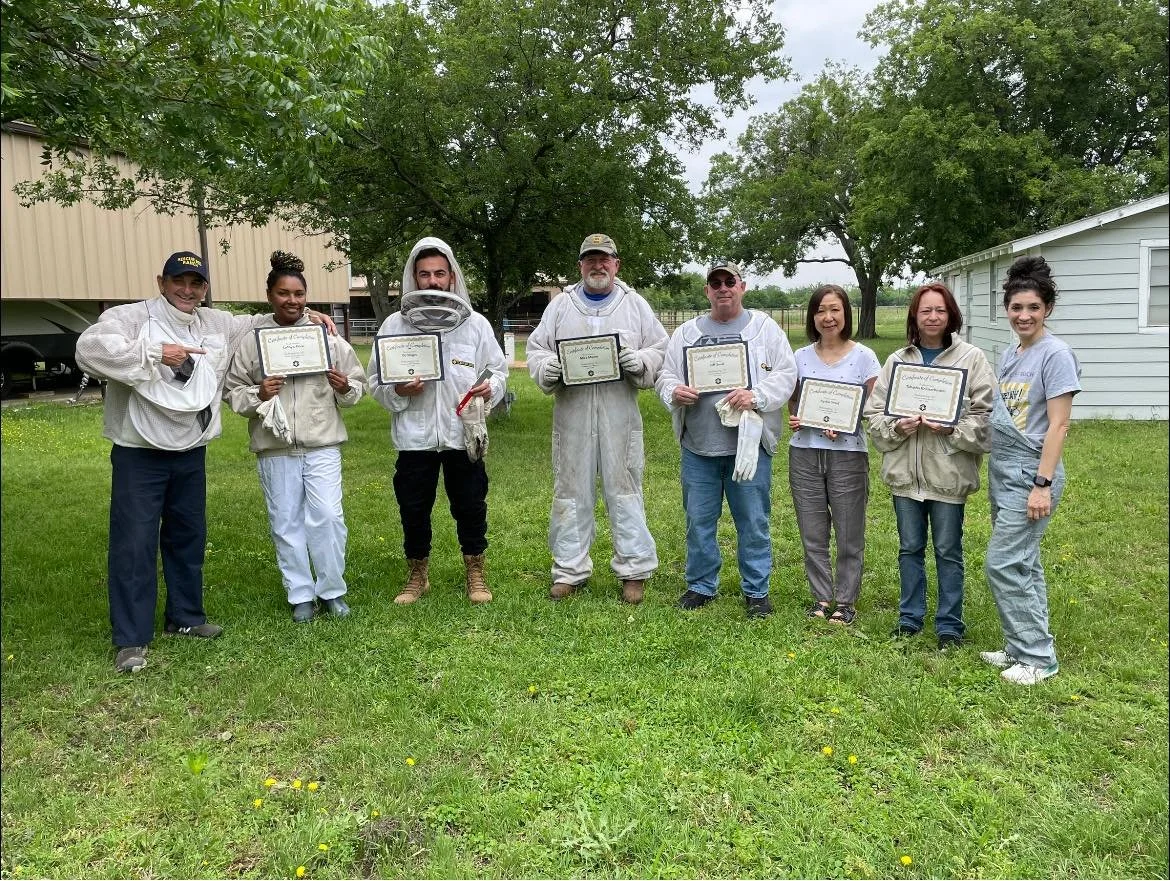
Educational Events
Interested in community outreach or workshops?
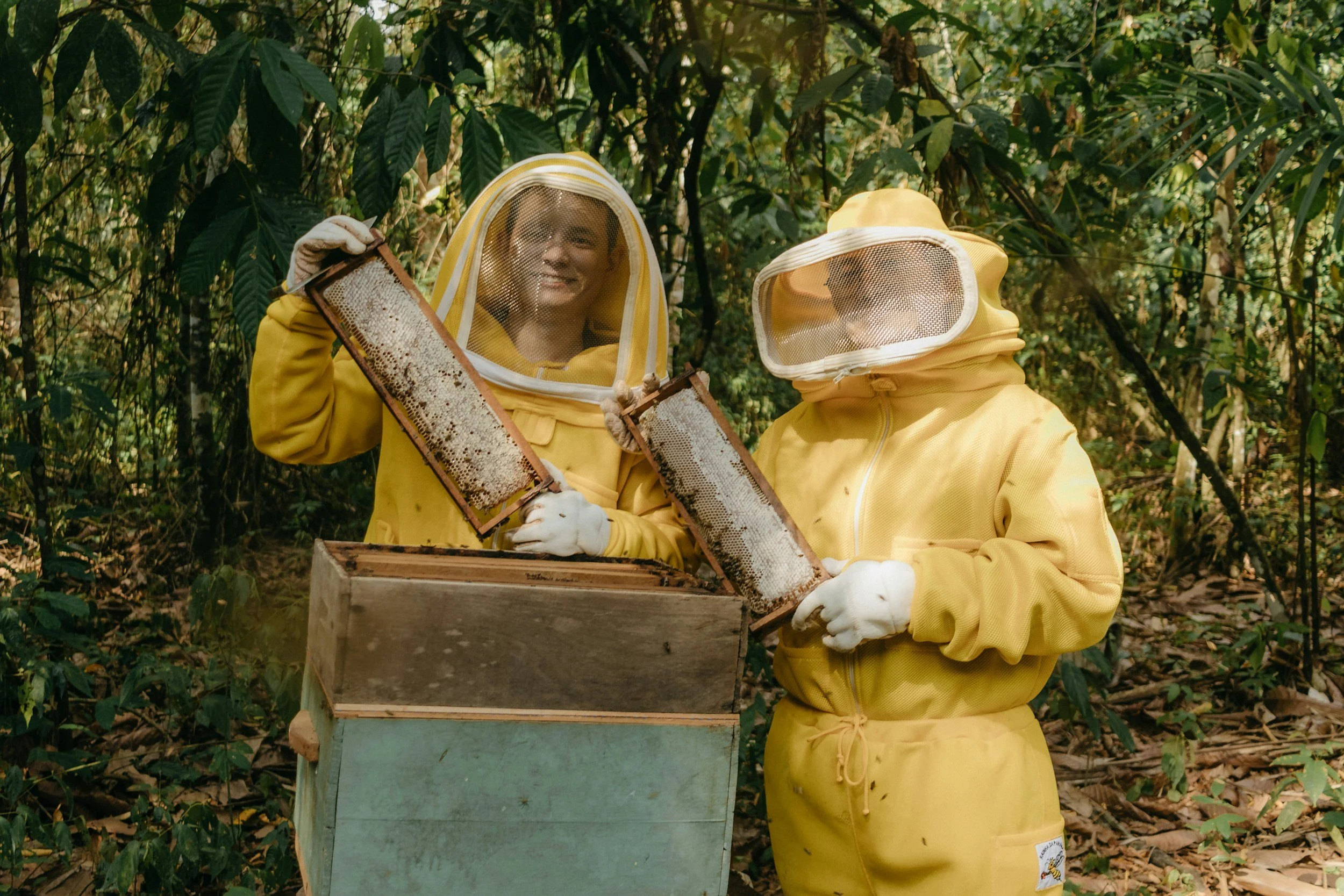
Partnerships & Sponsorships
Have questions about bees or our mission?
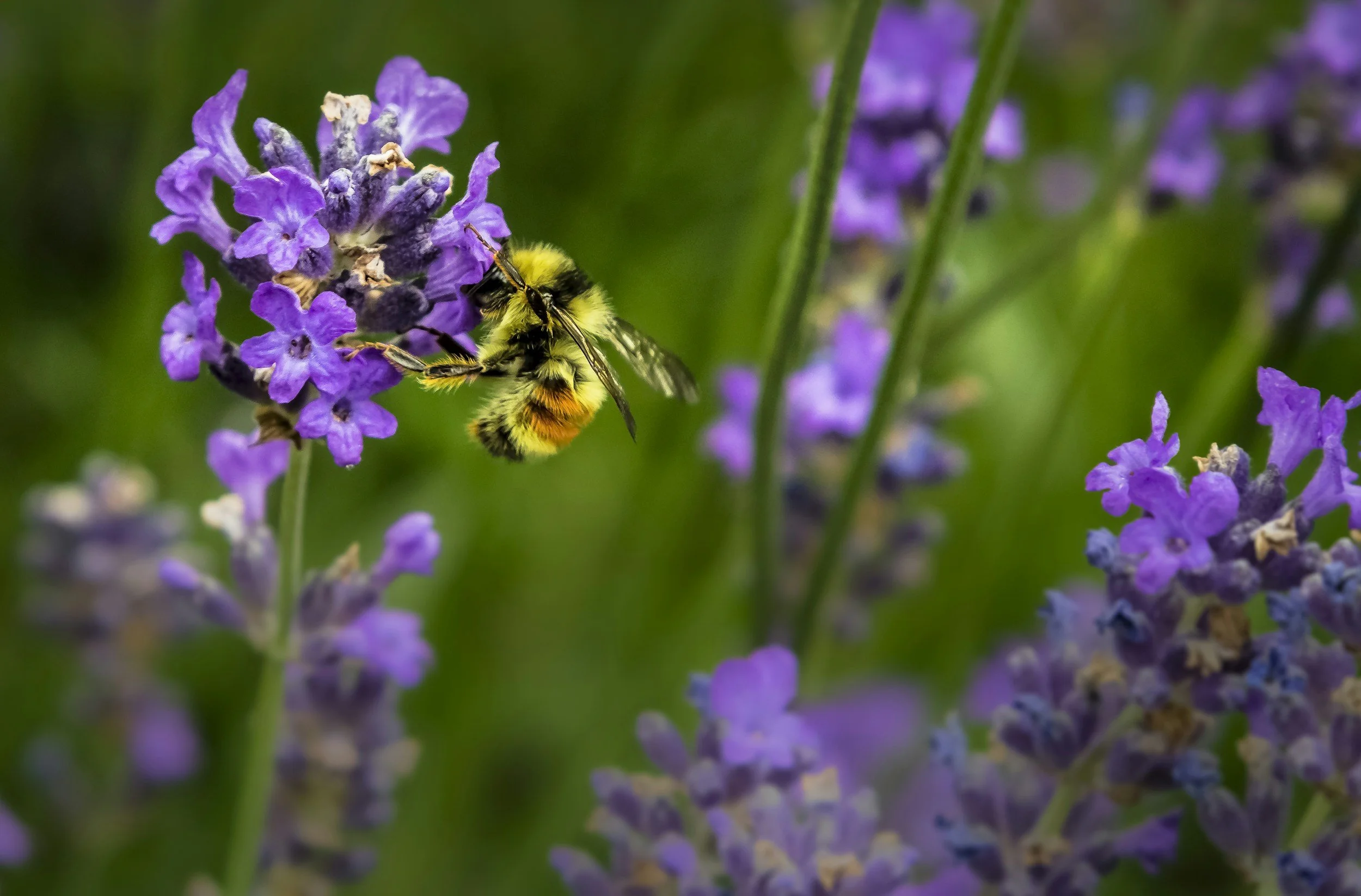
General Questions
Have questions about bees or our mission?
Contact Form
Frequently Asked Questions
-
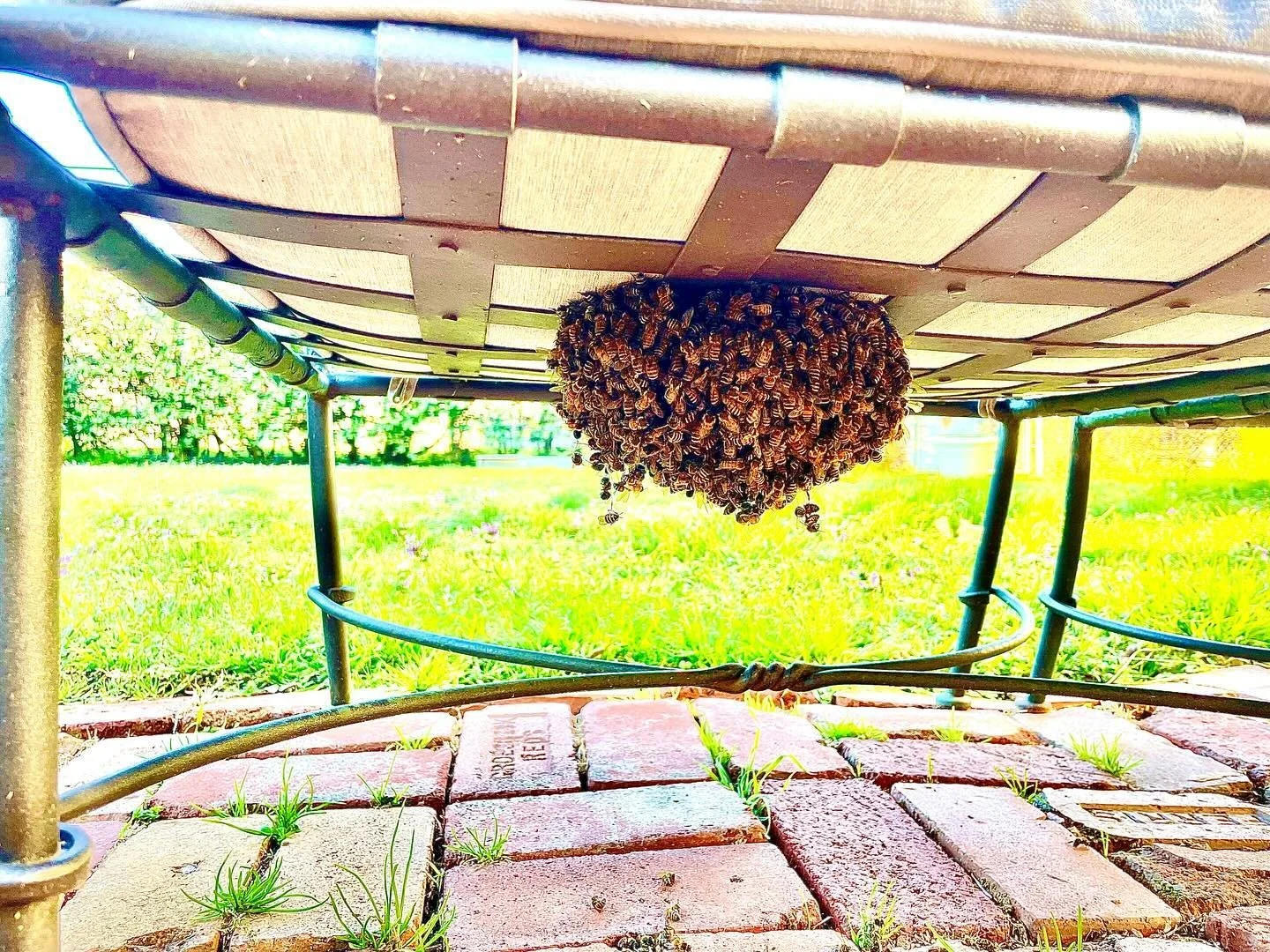
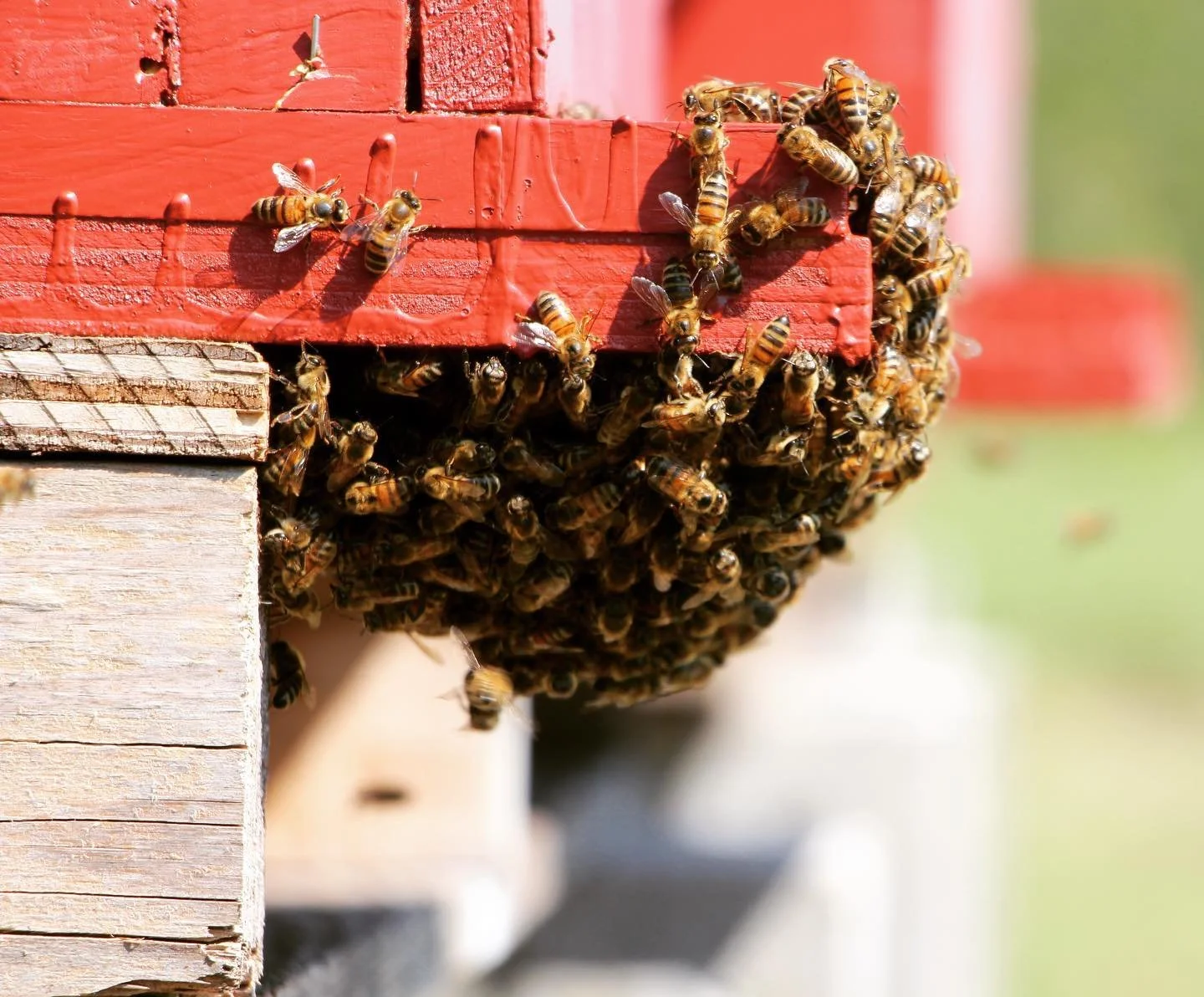
Honey bee swarms are usually much less aggressive than established hives because the bees are focused on protecting their queen and finding a new home rather than defending honey or brood.
While it’s still important to keep a safe distance, most swarms can be safely relocated through humane live rescue.
-
No. Spraying bees can unnecessarily kill important pollinators and may cause the colony or swarm to become defensive.
Whenever possible, we encourage humane live removal and relocation rather than extermination.
-
Our mission focuses on live rescue and relocation whenever possible.
We believe honey bees play a critical role in healthy ecosystems and should be preserved whenever safe and practical solutions are available.
In some situations, we may help assess risks and recommend the safest course of action for both people and pollinators.
-
Please keep a safe distance and avoid disturbing the bees.
If possible:
keep children and pets away from the area
avoid spraying chemicals or water
do not attempt to remove the bees yourself
send photos if requested to help with identification and planning
The more information we have beforehand, the better we can prepare for safe removal or relocation.
-
In many cases, yes.
Photos can help us determine whether you are seeing:
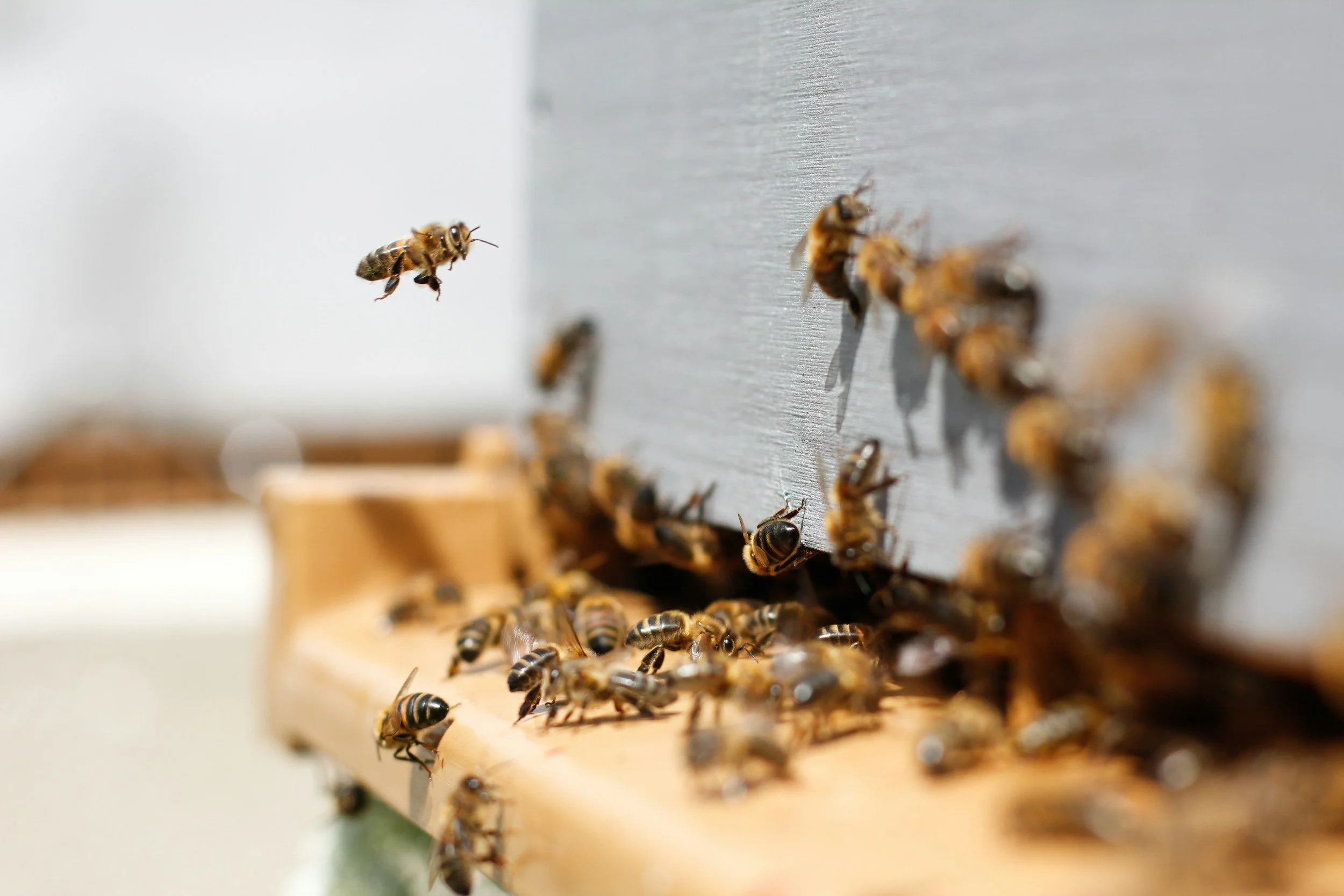
honey bees
wasps
hornets
bumble bees
swarm activity
possible hive locations
Clear photos from a safe distance are extremely helpful during the assessment process.
-
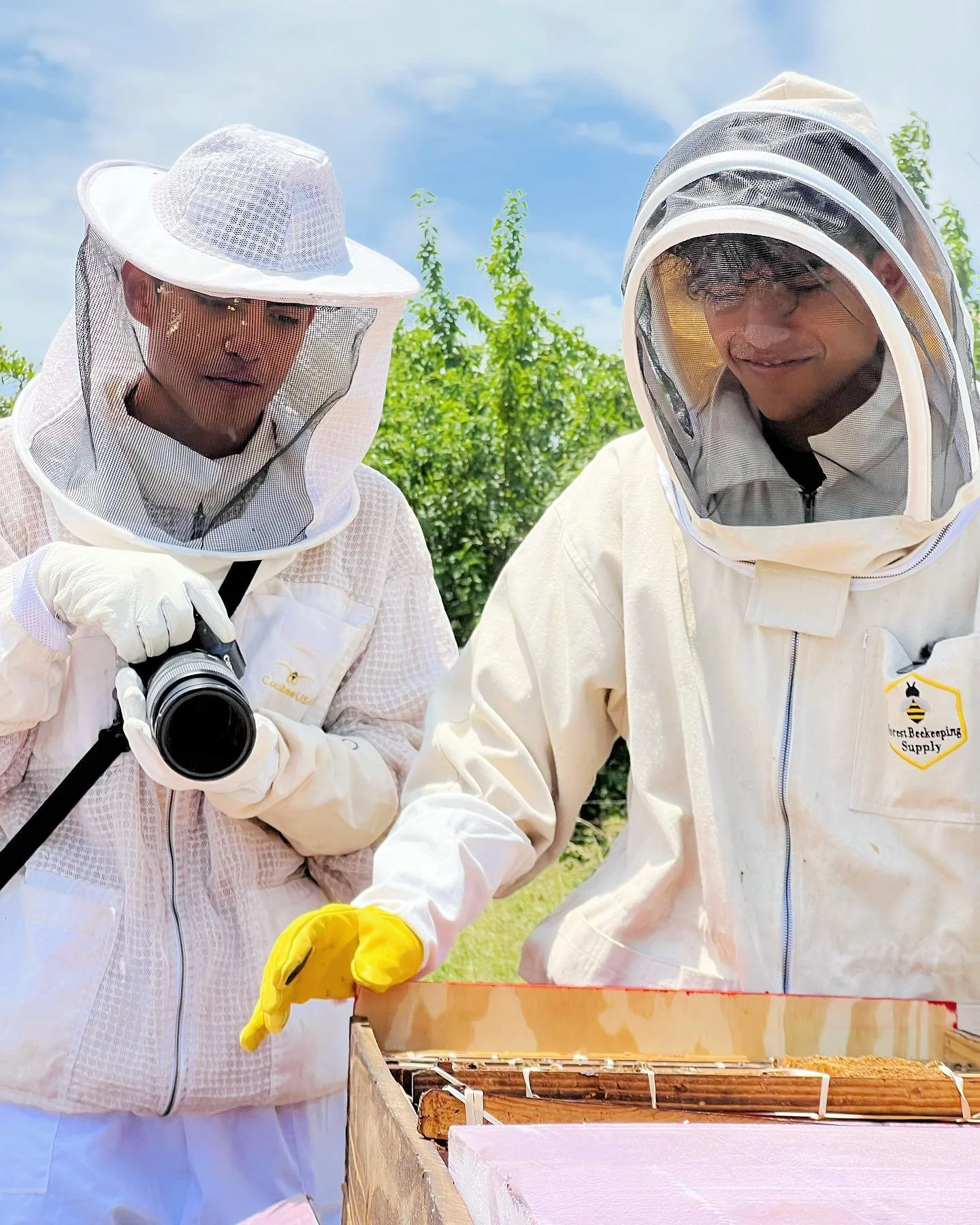
Yes. Rescue Bee Ranch partners with schools, churches, homeschool groups, businesses, and community organizations to provide educational experiences focused on:
honey bees
pollinators
conservation
sustainable beekeeping
environmental stewardship
We love helping communities better understand the important role pollinators play in everyday life.
-
Rescue Bee Ranch proudly serves communities throughout the Dallas–Fort Worth metroplex and surrounding areas.
If you are unsure whether you are within our service area, feel free to contact us and we’ll do our best to help.
Proudly Serving DFW
Rescue Bee Ranch proudly serves communities throughout the Dallas–Fort Worth metroplex and surrounding areas.
Connect With Us