
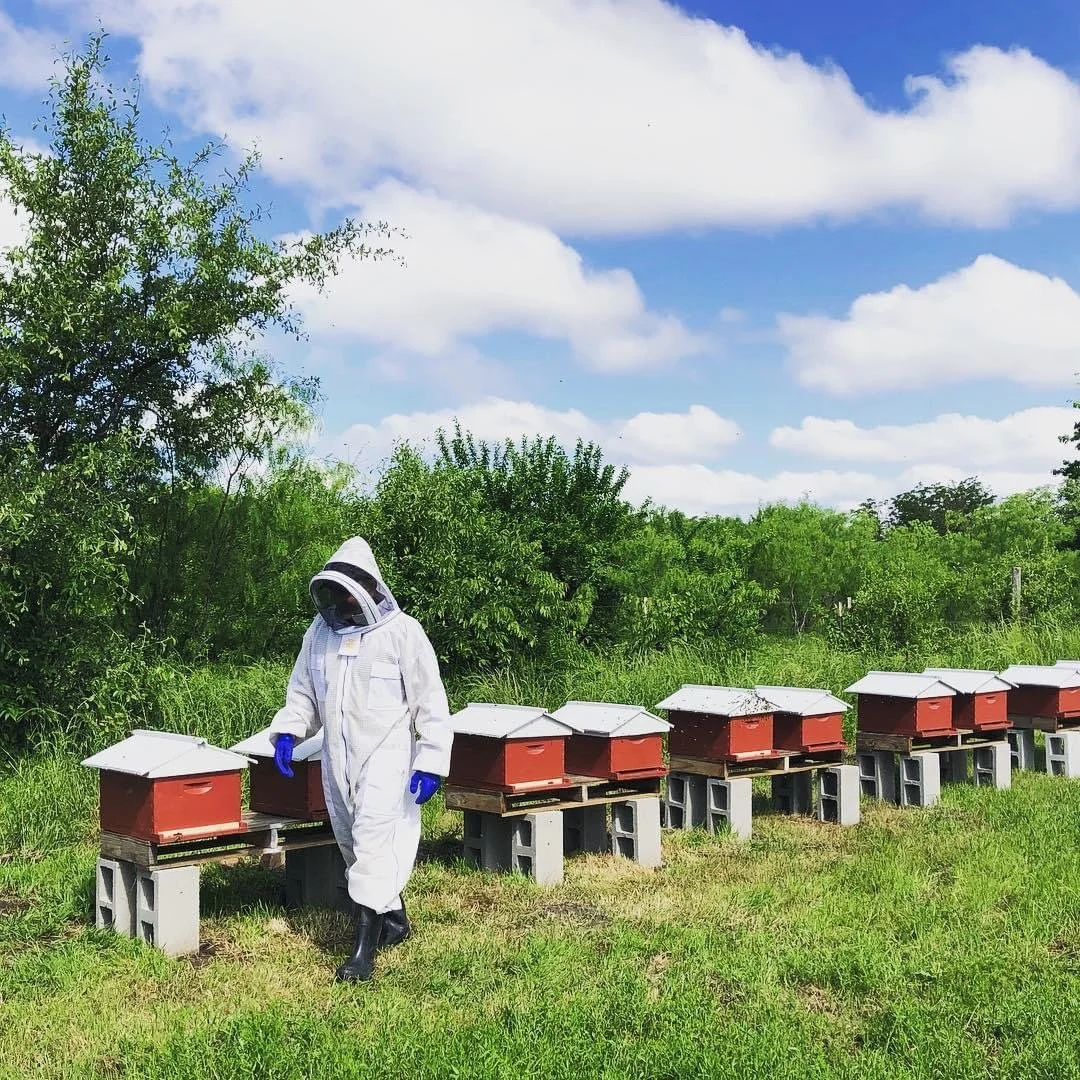
About Rescue Bee Ranch
We are a nonprofit organization dedicated to live honey bee rescue, pollinator education, and protecting the ecosystems that sustain our communities.
Our Mission
At Rescue Bee Ranch, our mission is to protect and preserve honey bee populations through humane live rescue, colony relocation, education, and community outreach.
We believe honey bees are essential to healthy ecosystems, sustainable agriculture, and future generations. Through rescue efforts and education, we strive to create greater awareness about the importance of pollinators and responsible stewardship of the environment.
Our goal is not simply to remove bees — it is to give them a second chance.
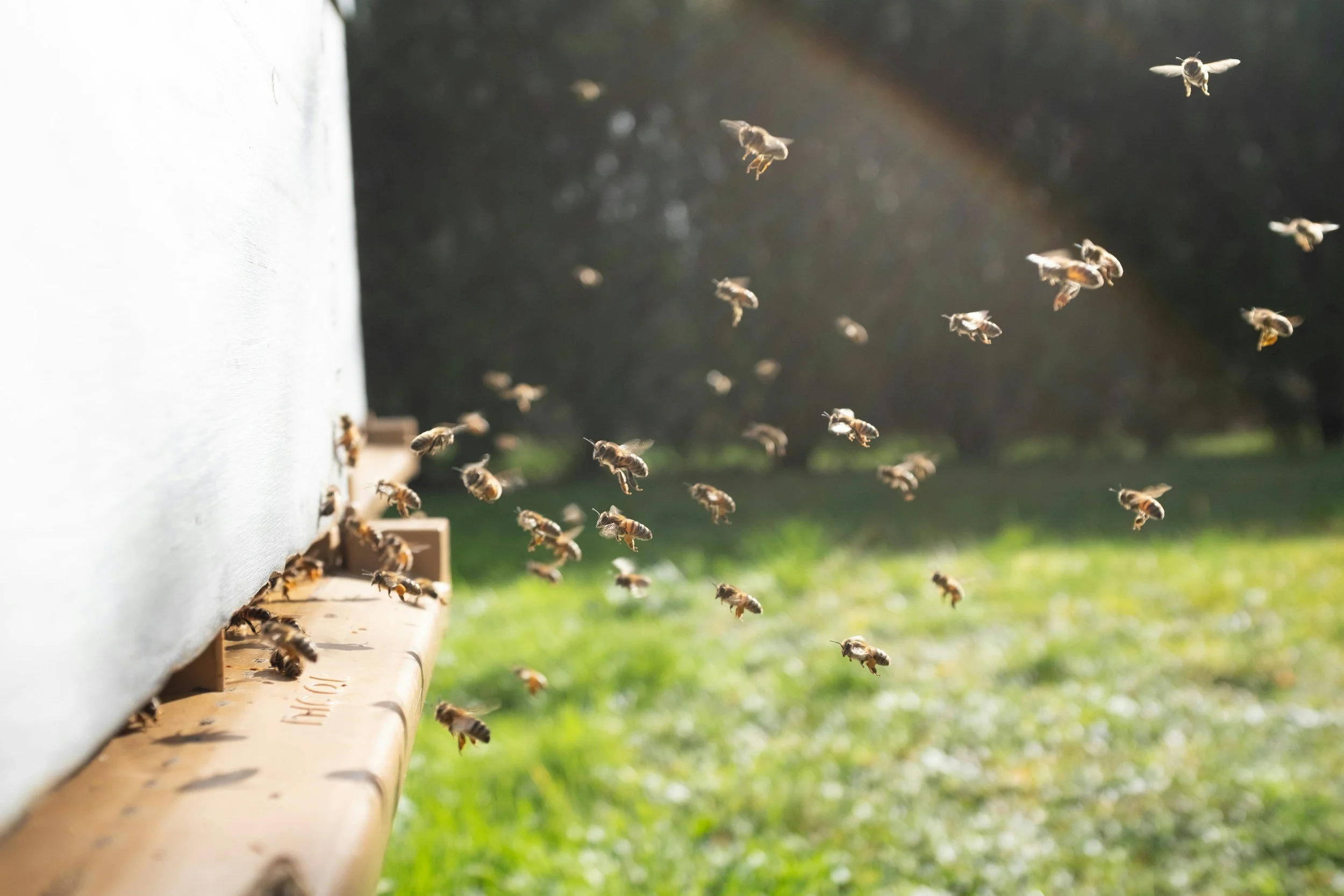
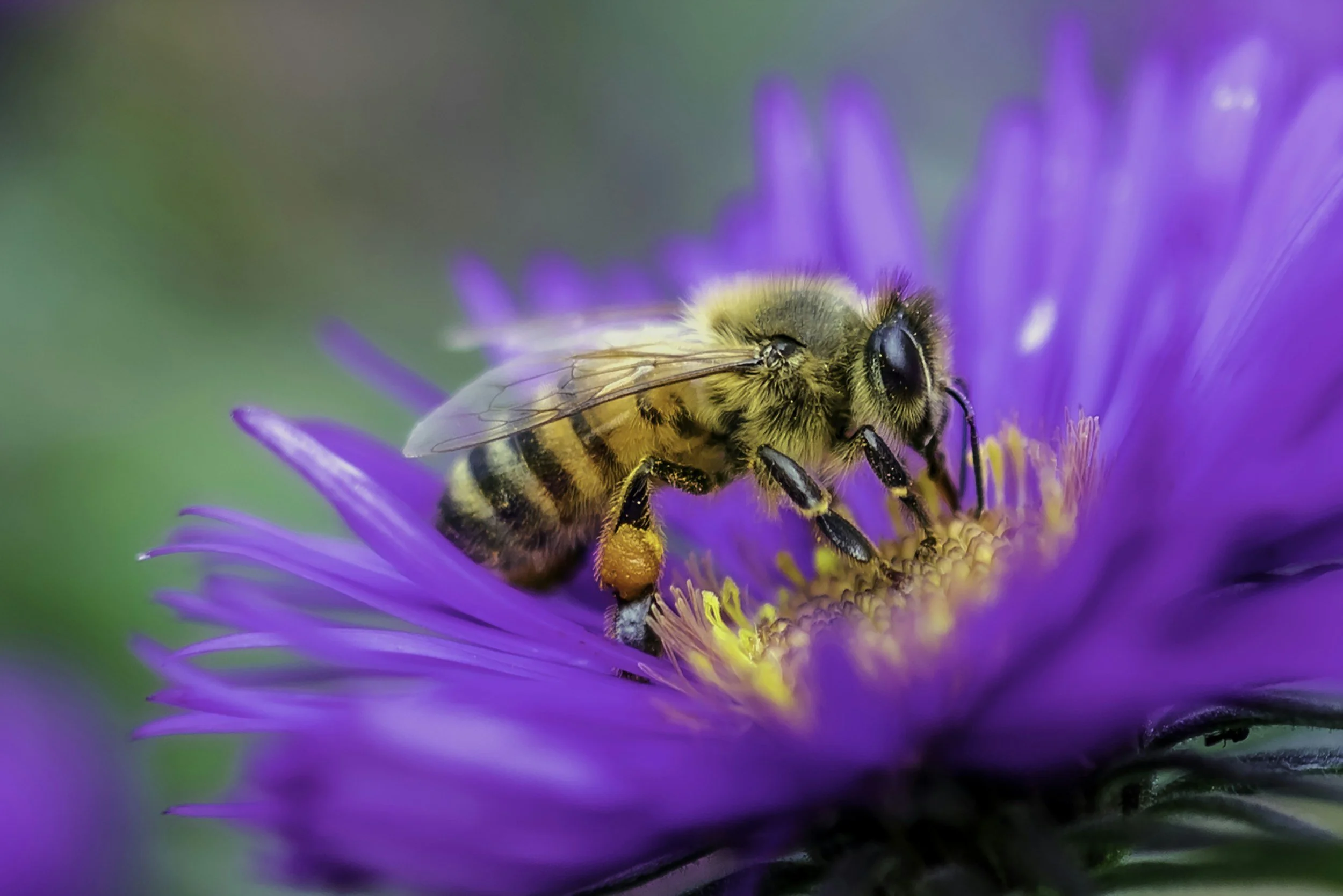
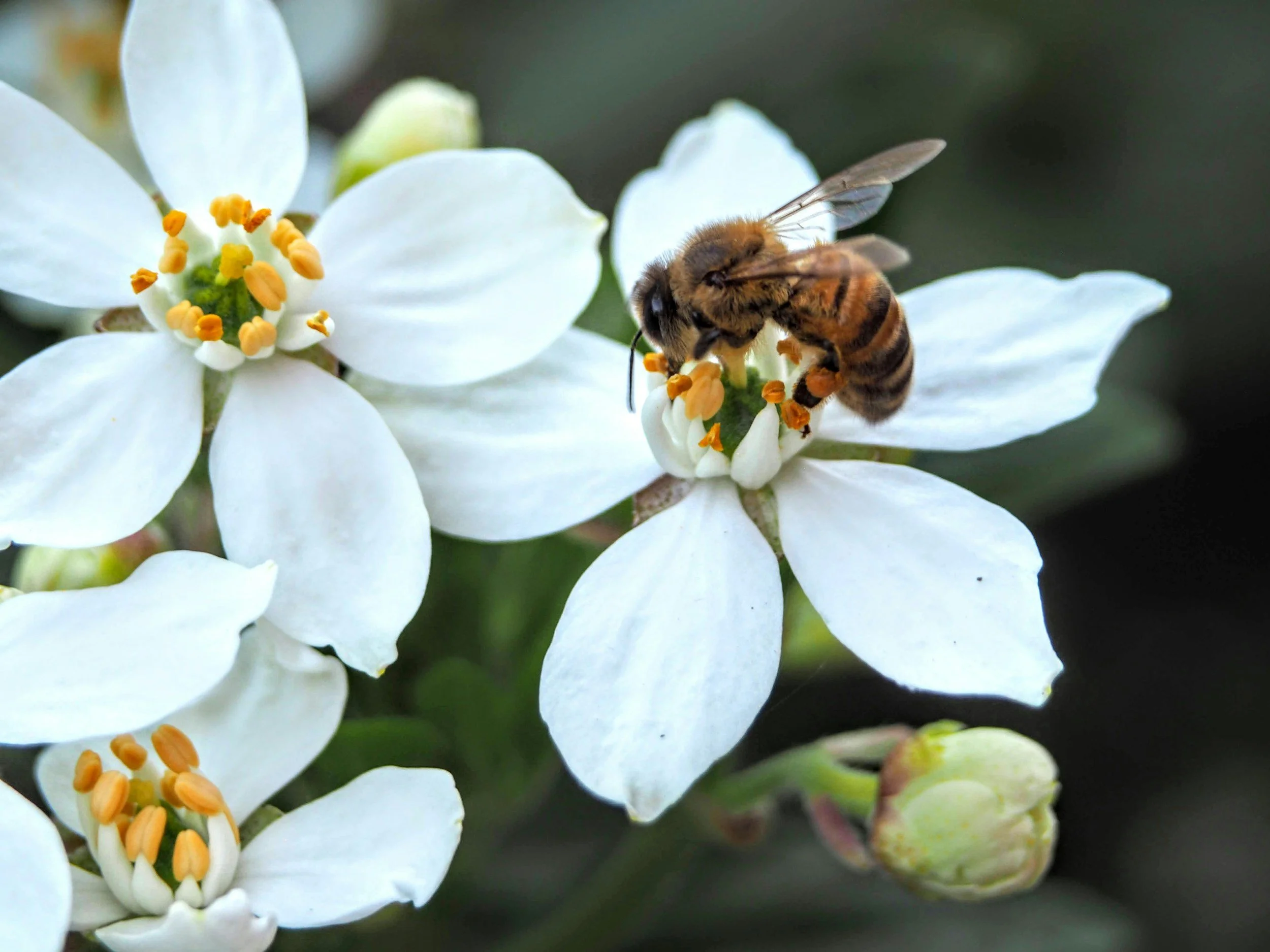
“Every rescued colony represents an opportunity to protect both pollinators and the communities they serve.”
Our Story
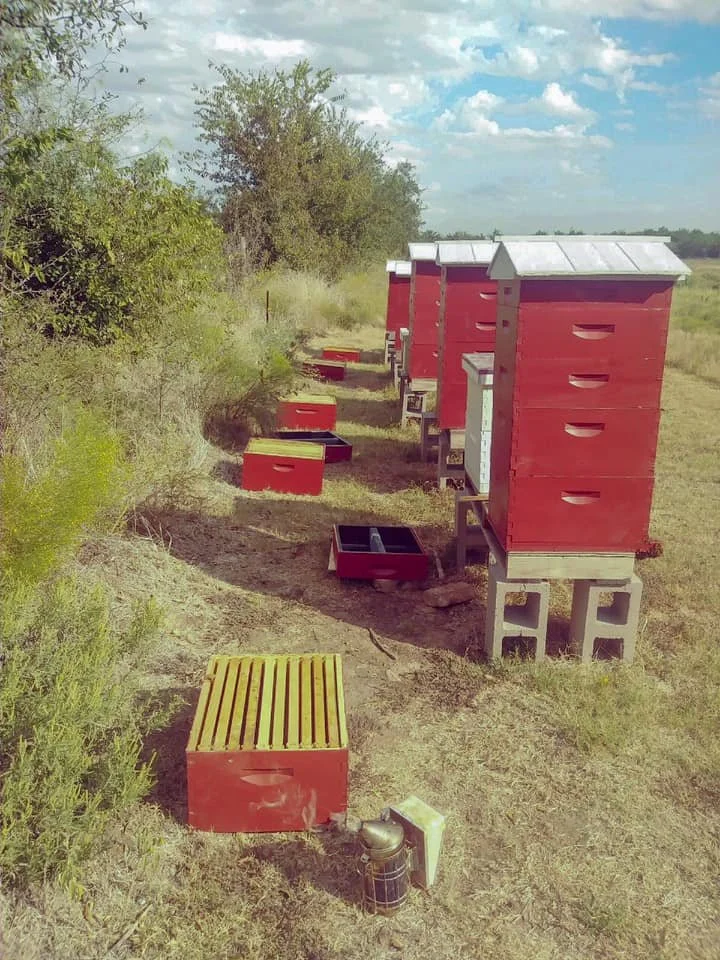
Rescue Bee Ranch began with a simple belief: bees deserve better than extermination whenever humane rescue is possible.
What started as a passion for beekeeping and conservation grew into a mission-focused organization dedicated to protecting honey bee colonies throughout the Dallas–Fort Worth area.
Over time, we saw firsthand how many swarms and colonies were being destroyed simply because people lacked access to education or safe removal options. We realized there was an opportunity to combine rescue, education, and community outreach into something larger than traditional beekeeping.
Today, Rescue Bee Ranch continues to serve homeowners, businesses, schools, churches, and communities through live bee rescue, pollinator education, and conservation efforts designed to support both people and the environment.
Why Bees Matter
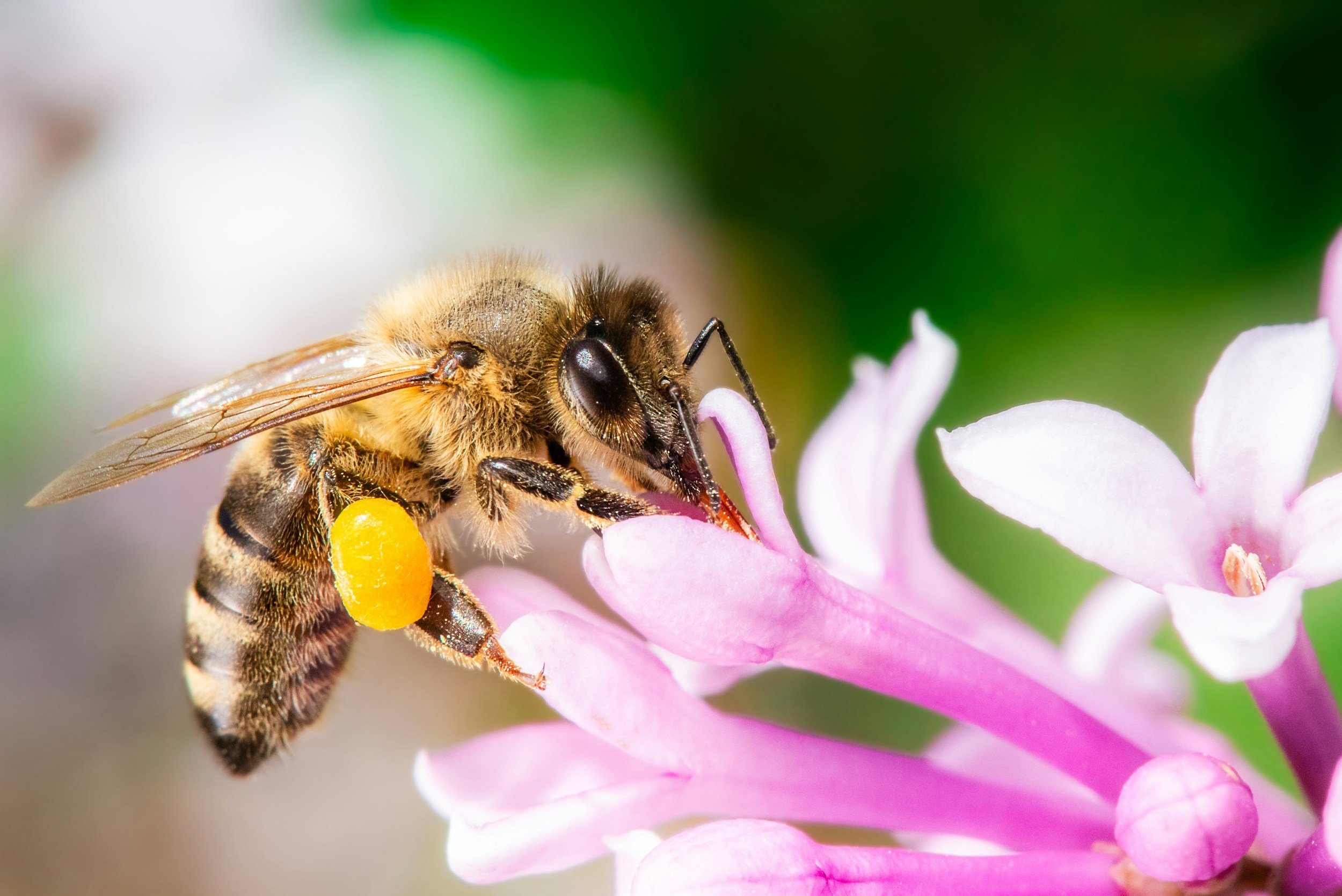
Honey bees play a critical role in pollinating the plants and crops that support ecosystems and food production around the world.
Yet pollinator populations continue to face serious challenges from habitat loss, pesticides, disease, and environmental changes.
By rescuing and relocating honey bee colonies instead of exterminating them, we help preserve valuable pollinator populations while promoting healthier relationships between communities and nature.
Protecting bees means protecting the future of our environment.
1/3
1 out of every 3 bites of food we eat depends on pollinators.
5k
One honey bee may visit 5,000 flowers in a single day.
$15B+
Pollinators contribute an estimated $15+ billion annually to U.S. agriculture.
75%
Roughly 75% of flowering plants rely on pollinators to reproduce.
Our Team
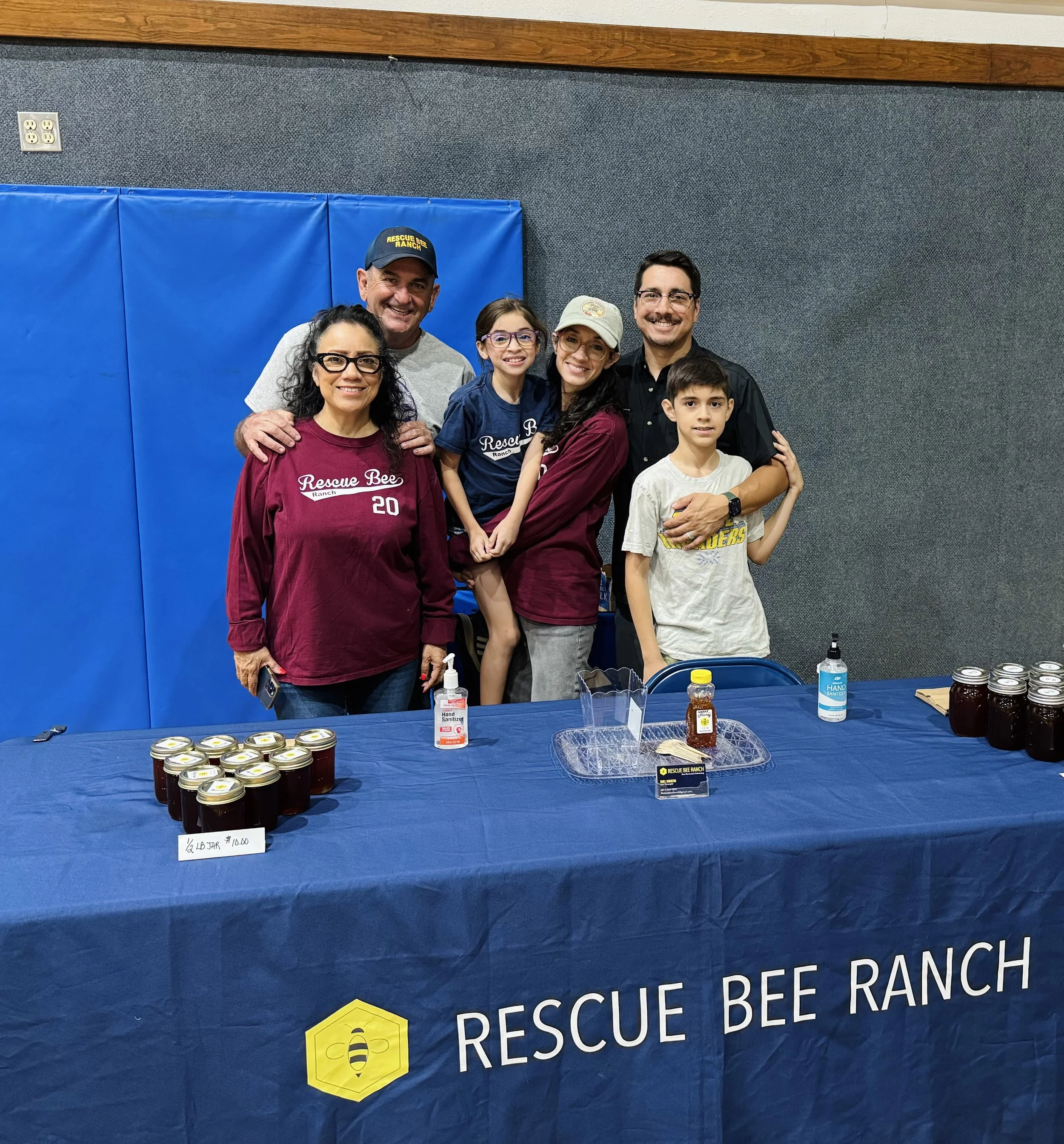
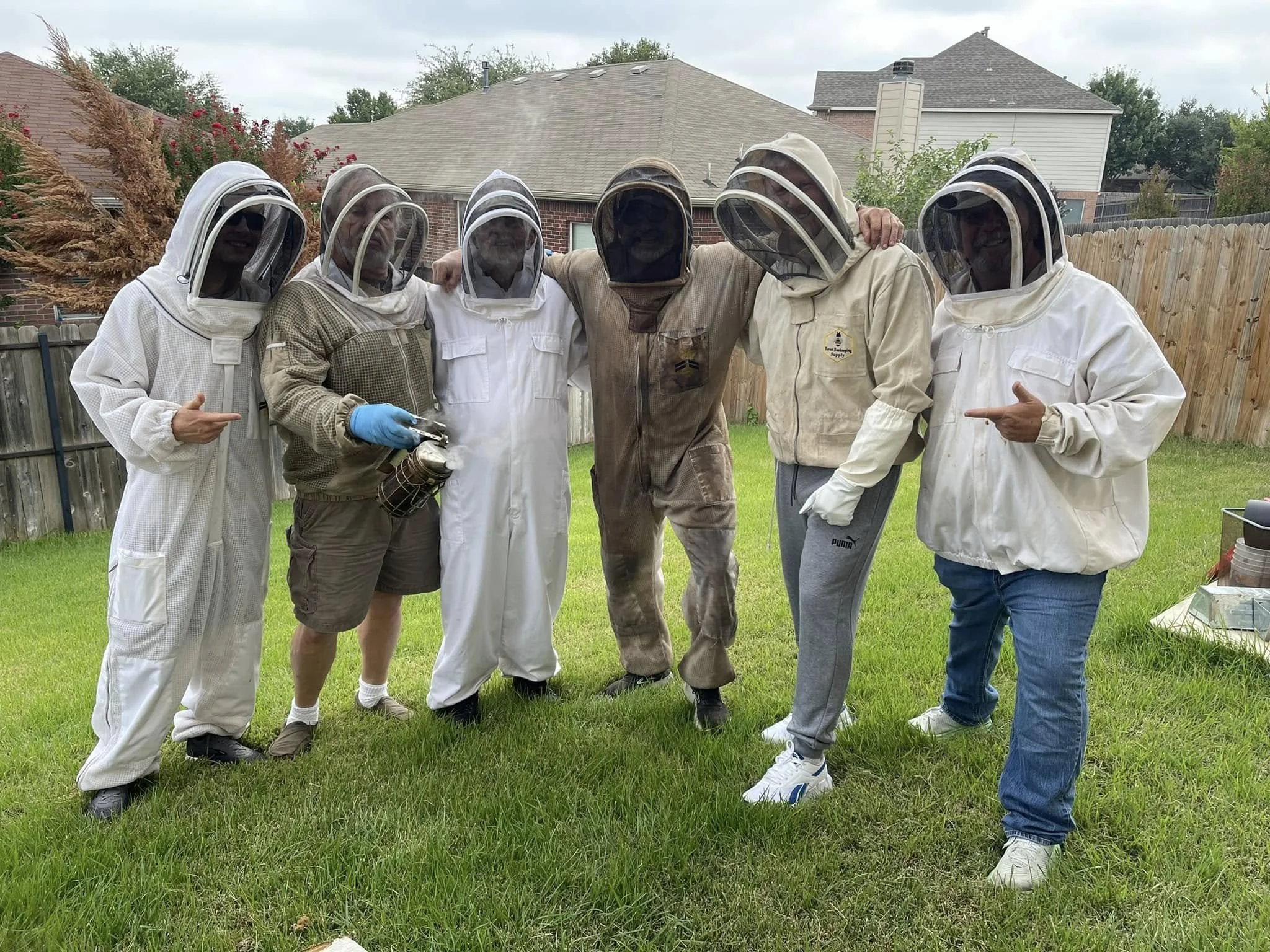
Rescue Bee Ranch was built by a family with a shared passion for bees, conservation, and community.
Over time, what started as an interest in beekeeping became a larger mission to rescue honey bees, educate others about pollinators, and create opportunities for families and communities to connect with nature in meaningful ways.
Today, our nonprofit continues to grow through live bee rescue, education, outreach, and a commitment to protecting the ecosystems that sustain us all.
Rescue Impact
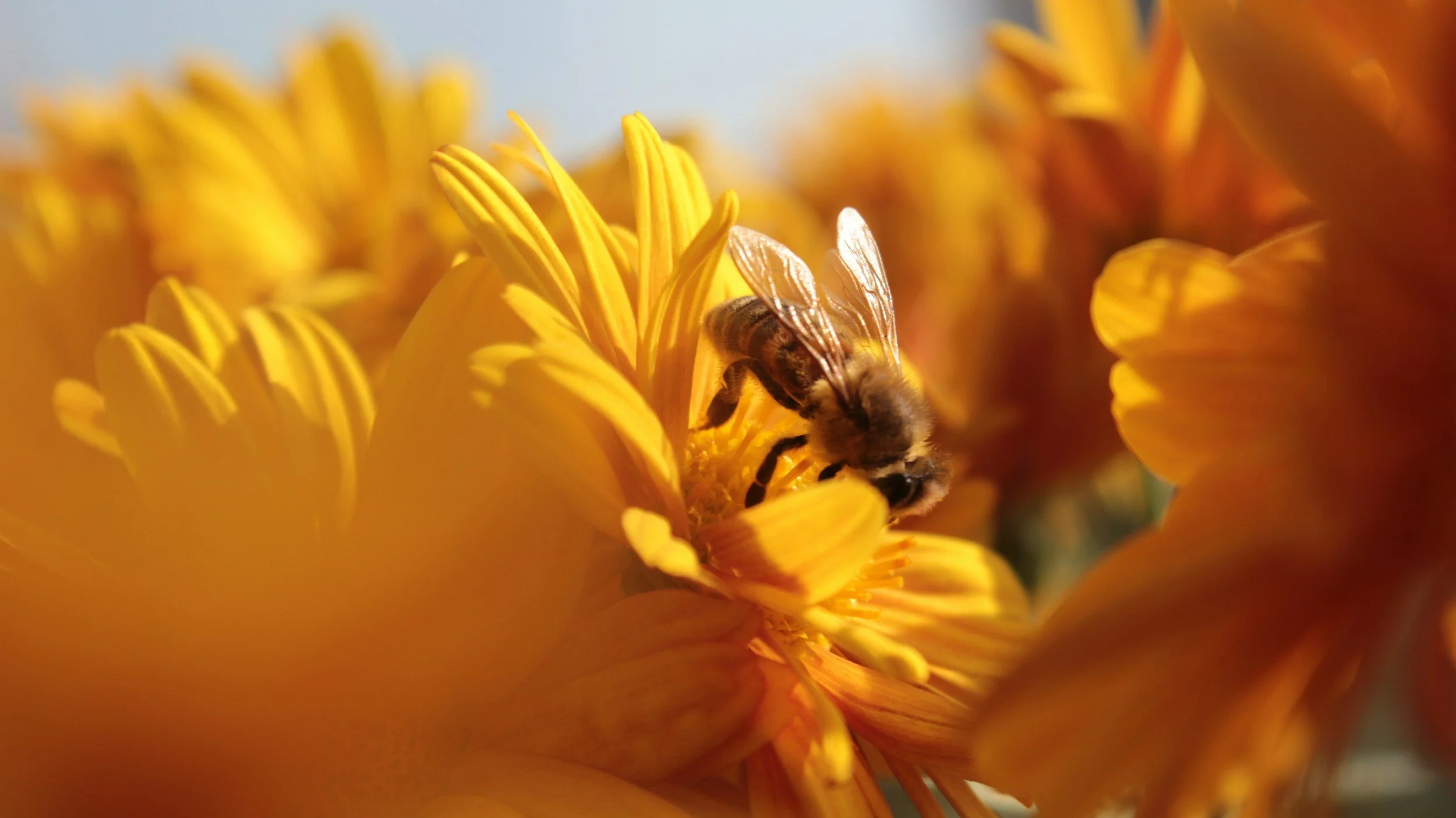
Every rescue, workshop, and conversation helps build greater awareness about the importance of pollinators and environmental stewardship.
Through community engagement and live rescue efforts, Rescue Bee Ranch continues working toward a future where education and conservation go hand in hand.
Community & Education
Education is one of the most important parts of our mission. We believe lasting change begins when communities better understand the role pollinators play in everyday life.
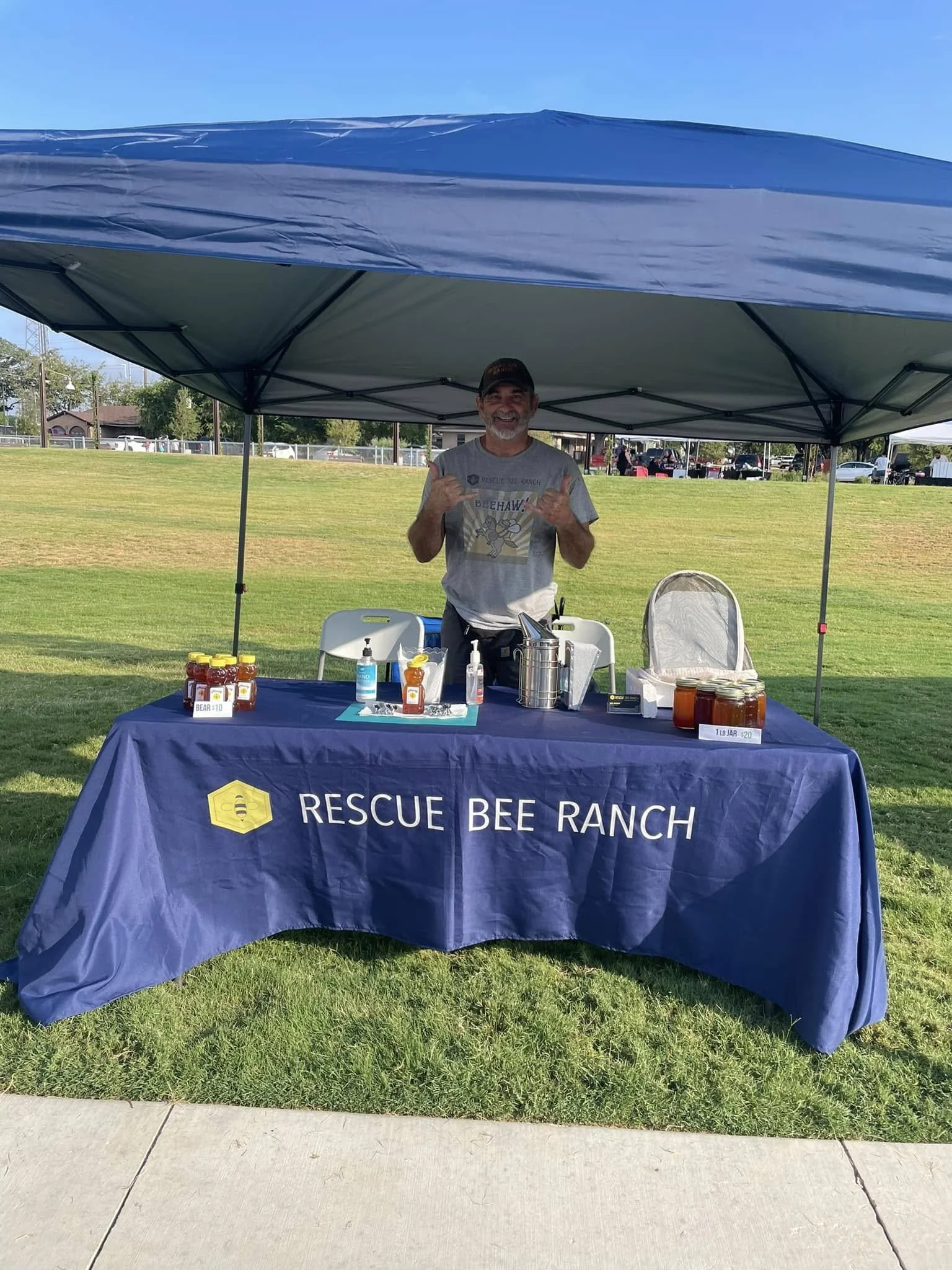
Education is one of the most important parts of our mission. We believe lasting change begins when communities better understand the role pollinators play in everyday life.
Rescue Bee Ranch partners with schools, churches, homeschool groups, community organizations, and local events to provide engaging educational experiences focused on:
honey bees
conservation
pollination
sustainable beekeeping
environmental stewardship
By creating hands-on learning opportunities, we hope to inspire future generations to care for the ecosystems around them.
Join the Mission
Whether through rescue efforts, education, volunteering, donations, or simply spreading awareness, every person can help protect pollinators and support healthier ecosystems.